
BlackRock’s Staked Ethereum ETF Is Here — and It Changes What a Crypto Fund Can Do
For two years, the deal with a US Ethereum ETF was simple: you got the price of Ethereum, and nothing else. That changed this week. BlackRock’s iShares Staked Ethereum Trust, trading under the ticker ETHB, made its market debut — and on its first day it traded about $15.5 million worth of shares, according to Bloomberg ETF analyst James Seyffart, as reported by CryptoPotato on 28 October.
That sounds modest next to BlackRock’s existing spot Ethereum ETF, ETHA, which traded roughly $264 million the same day — but ETHB opened with just over $100 million in assets against ETHA’s roughly $6.6 billion, and Seyffart described the debut as “very, very solid for a day 1 ETF launch.” The real story is not the volume. It is what the fund does: for the first time from the world’s largest asset manager, an Ethereum ETF that does not just track a price — it earns a yield.
What “staked” actually means
Ethereum runs on proof of stake. Instead of miners burning electricity, validators lock up ETH as collateral to help secure the network and process transactions, and in return they earn rewards — a native yield that runs at roughly 3% a year, depending on network conditions.
Until this year, US Ethereum ETFs were barred from touching that yield: the previous SEC took the view that staking could be an unregistered securities offering, and stripped it from every application. That changed in early 2026, when the SEC under new leadership cleared staking structures, and Grayscale’s products became the first US crypto products to distribute staking rewards to shareholders.
ETHB takes the idea to a much bigger stage. Under normal conditions, BlackRock stakes between 70% and 95% of the fund’s ETH through Coinbase, which acts as custodian and staking provider, delegating to approved validators including Figment, Galaxy and Attestant. The remaining 5% to 30% sits unstaked in what the filing calls a “Liquidity Sleeve” — a buffer for daily creations, redemptions and expenses, so the fund is not forced to unstake in a hurry.
Where the yield goes
The fee split is worth knowing, because it is the difference between the headline yield and what you actually get. BlackRock and Coinbase keep 18% of staking rewards between them; shareholders receive the other 82%. On a gross staking yield of about 3%, that works out to roughly 2.5% a year reaching shareholders, before the fund’s own sponsor fee.
That fee is 0.25% a year, waived down to 0.12% for the first $2.5 billion in assets during the first 12 months. And unlike some staking products, which fold rewards into the share price, Seyffart notes that ETHB is expected to pay its rewards out as dividends, probably monthly, though he urges investors to read the prospectus for the final details. Over time that compounding matters: a fund paying 2.5% a year on top of price movement will pull steadily away from an identical fund that pays nothing — which is exactly why ETHA holders now have a decision to make.
Why now: Ethereum ETFs have been bleeding
The debut lands against an awkward backdrop for Ethereum funds. US spot Ethereum ETFs have been losing money for weeks: they have not recorded a net inflow day since 28 September, according to CryptoPotato’s weekly round-up, and October’s outflows are approaching $1 billion. On 27 October alone, about $88.6 million left the funds, with BlackRock’s own ETHA losing about $104.7 million, partly offset by about $16.1 million into Fidelity’s FETH.
It would be too neat to say staking will single-handedly reverse the outflows. But it does change the pitch: an Ethereum ETF that pays a yield is no longer just a price bet competing with a Bitcoin ETF; it is an income product, closer in spirit to a dividend stock than to a commodity tracker. For institutions that need yield to justify an allocation, that is a genuinely new argument.
The race is already on
BlackRock is not alone: Grayscale’s Ethereum products already incorporate staking yields, VanEck filed in October for a Lido Staked Ethereum ETF, and Solana ETF filings already include staking provisions — suggesting the model will spread well beyond Ethereum.
That competition is good for investors, but it raises an unanswered question: what happens to yields as more ETH gets locked up? Rewards are split across a larger staked base, so a flood of ETF money could compress yields over time. Staking is not friction-free either: Ethereum’s activation queue can stretch for weeks, and full withdrawals take 7 to 10 days in normal conditions, longer in congestion — which is why ETHB’s liquidity sleeve exists.
Two very different reactions
Opinion has split in exactly the way you would expect. Analyst Ash Crypto argued on X that the product matters more than it looks, because every dollar into ETHB buys ETH off the market and locks it into staking: “Less supply. Same or growing demand. Price goes up by basic math.” Ethereum co-founder Vitalik Buterin has warned the other way, arguing that heavy institutional accumulation risks distorting network governance and creating centralised chokepoints. Both can be true at once — and which effect dominates will depend on how big these funds get.
What to watch next
Three things will tell you whether ETHB is a novelty or a turning point: flows, rivals, and yields. Does money move from ETHA into ETHB, or does ETHB attract new buyers? Do Fidelity and Franklin Templeton follow, and does VanEck’s Lido product get approved? And does the staking rate hold near 3% as ETF money piles in, or compress?
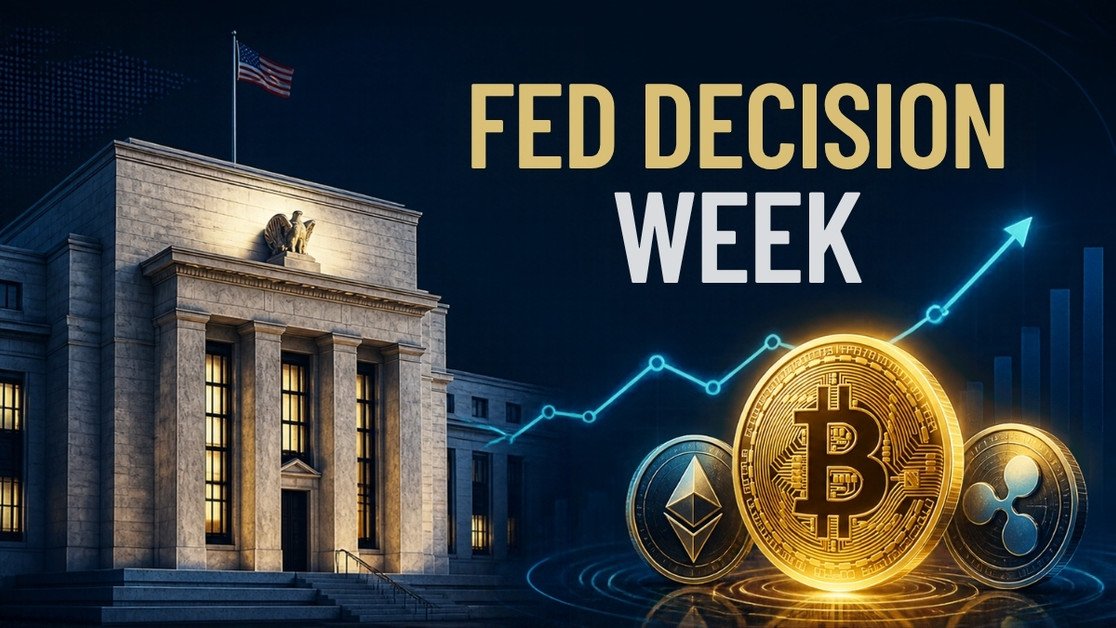
As of the morning of 28 October, Bitcoin was trading around $80,700 and Ethereum around $2,345, with the total crypto market worth roughly $2.66 trillion and sentiment in neutral territory. Traders are also watching the US Federal Reserve’s rate decision due later today — but the structural story of the week is Ethereum’s.
For the ordinary reader, the takeaway is simpler. Crypto funds used to offer one thing: exposure. Now, for Ethereum at least, they can offer two: exposure and income. That is a small change in a fund prospectus and a large change in what crypto investing means.
This post is for information only and is not financial advice. Crypto prices are volatile, ETF flows get revised, and staking yields change with network conditions. Always do your own research before investing.